February closed with markets in full identity crisis.
Inflation is biting back — yet bond yields are falling hard. Big Tech is lagging — while “boring” defensive names and old-economy bellwethers keep printing record highs. Gold is surging. Treasuries are rallying. Equities are wobbling. And the gap between what the bond market fears and what the stock market hopes is widening fast.
This is not a clean, dinner-party narrative kind of week. It’s a regime-shift kind of week — the kind where the old playbook (“buy the Magnificent Seven, ignore inflation, sleep well”) starts failing in real time.
Below is a structured breakdown of what mattered, what didn’t, and what could reshape markets in the week ahead.
United States: Hot Inflation, Falling Yields, and Valuation Fatigue
February was rough for the growth crowd. The S&P 500 finished the month down 0.4 percent, and the NASDAQ fell nearly 1 percent. Meanwhile, the Dow rose 0.2 percent and notched its tenth straight positive month — a remarkable divergence that captures the entire rotation.
This isn’t just profit-taking. It’s a shift in risk preference.
When investors rotate into utilities, consumer staples, and other “defensive pantry” stocks, they’re not chasing upside. They’re buying resilience. People still pay the electricity bill and buy toothpaste in a downturn — they delay the optional purchases like new gadgets or high-end discretionary tech.
What triggered this renewed caution was the inflation wake-up call.
Producer prices jumped 0.5 percent month over month, with some measures closer to 0.8 percent. But the bigger signal was services inflation, which surged 0.8 percent — the largest gain since July 2025. Services inflation matters more than goods inflation because it’s sticky. It’s tied to wages, rents, insurance, medical care, and pricing behavior that almost never reverses. Once those prices rise, they rarely come back down.
And then came the paradox.
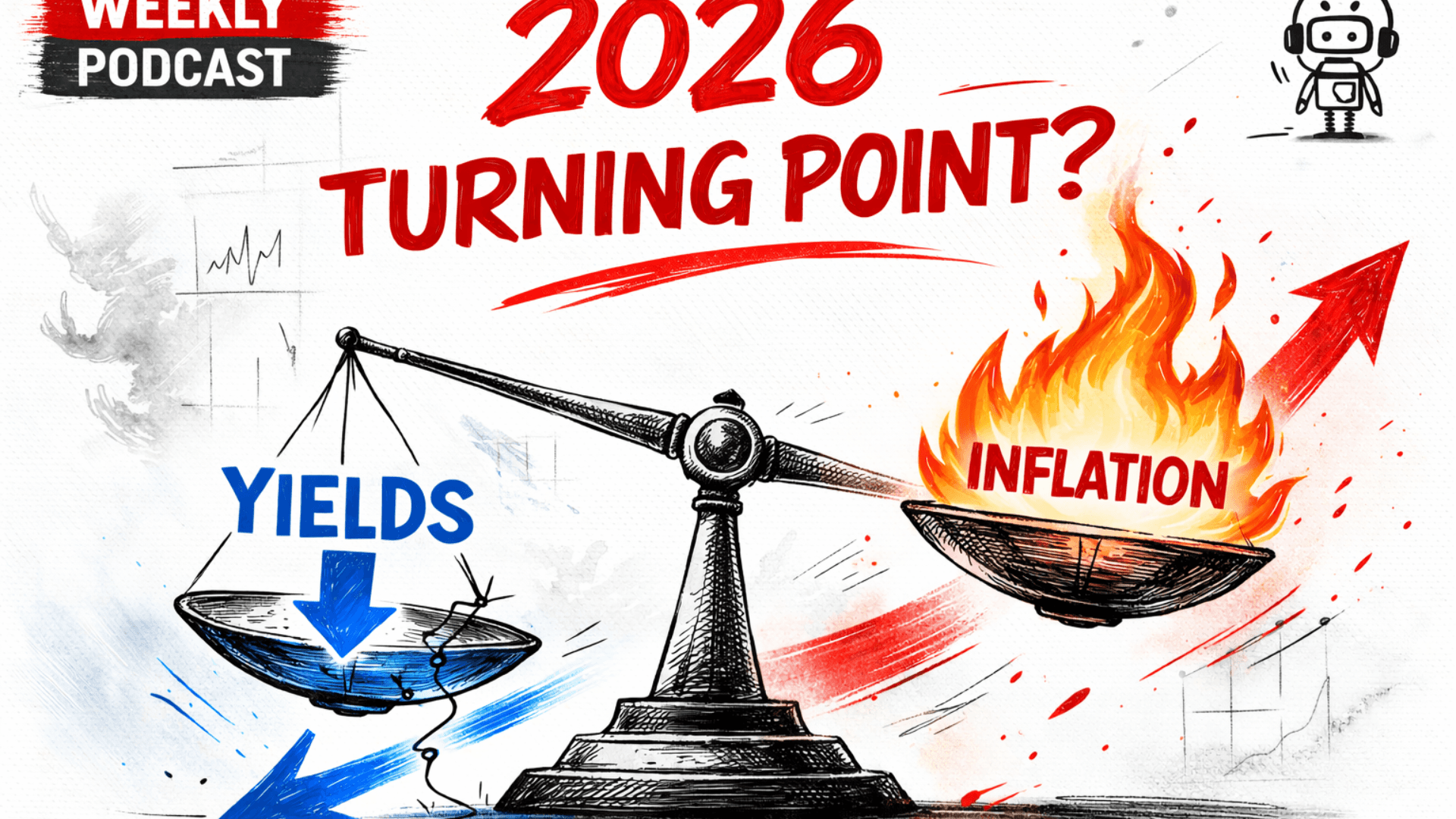
Despite hot inflation data, the 10-year Treasury yield fell sharply below 4 percent, closing near 3.96 percent — down from 4.26 percent at the end of January. That is a major move in fixed income terms.
Bond traders aren’t ignoring inflation. They’re extrapolating its consequences.
The bond market is effectively saying: if inflation forces the Fed to keep policy restrictive for too long, growth will break. That’s why bonds are rallying — it’s a flight to safety and a bet on policy mistake risk. Equity investors are still debating soft landing scenarios, but fixed income is pricing defensive outcomes.
Meanwhile, Big Tech delivered the most frustrating part of the story: fundamentals were strong, but stocks didn’t respond.
The Magnificent Seven posted average Q4 earnings growth of 27.2 percent versus 9.8 percent for the rest of the S&P 500 — yet price reactions were muted. Even Nvidia couldn’t reignite risk appetite. This is valuation fatigue: when a stock is priced for perfection, “great” results are no longer a surprise. Investors are willing to pay fewer dollars for each dollar of earnings, even when earnings rise.
Add gold into the mix — futures around $5,290 — and the message becomes clear: markets are leaning defensive, not euphoric.
Europe: Value Magnet, But Fragmentation Risk
Europe continues to benefit from the global diversification trade. With US tech crowded and valuations stretched, capital is migrating toward cheaper earnings pools. The STOXX Europe 600 pushed to fresh highs.
But Europe is not moving as one unit.
Germany is showing signs of improvement. The Ifo Business Climate Index rose to 88.6, the best reading since last summer — a meaningful shift for an economy that has been labeled Europe’s laggard for much of the past year.
France is softer. Business confidence slipped to 97. And inflation is fragmented: Germany eased to 1.9 percent — essentially ideal — while Spain ticked up to 2.5 percent.
This is the ECB’s nightmare scenario: one interest rate for economies moving in different directions. Germany may be stabilizing. France may be cooling. Spain is running hotter. That makes policy calibration extremely difficult.
For now, investors are simplifying the story: Europe looks cheap relative to the US, and that price tag is driving flows. But the internal divergence raises the risk of volatility if inflation surprises or growth data disappoints.
United Kingdom: “Boring Wins” and Tail-Risk Relief
The FTSE 100 hit a new high, and the rally has a familiar flavor: defensives, energy, banks, and pharmaceuticals — the kind of stocks investors want when growth uncertainty rises.
But the UK also benefited from a specific tail-risk removal.
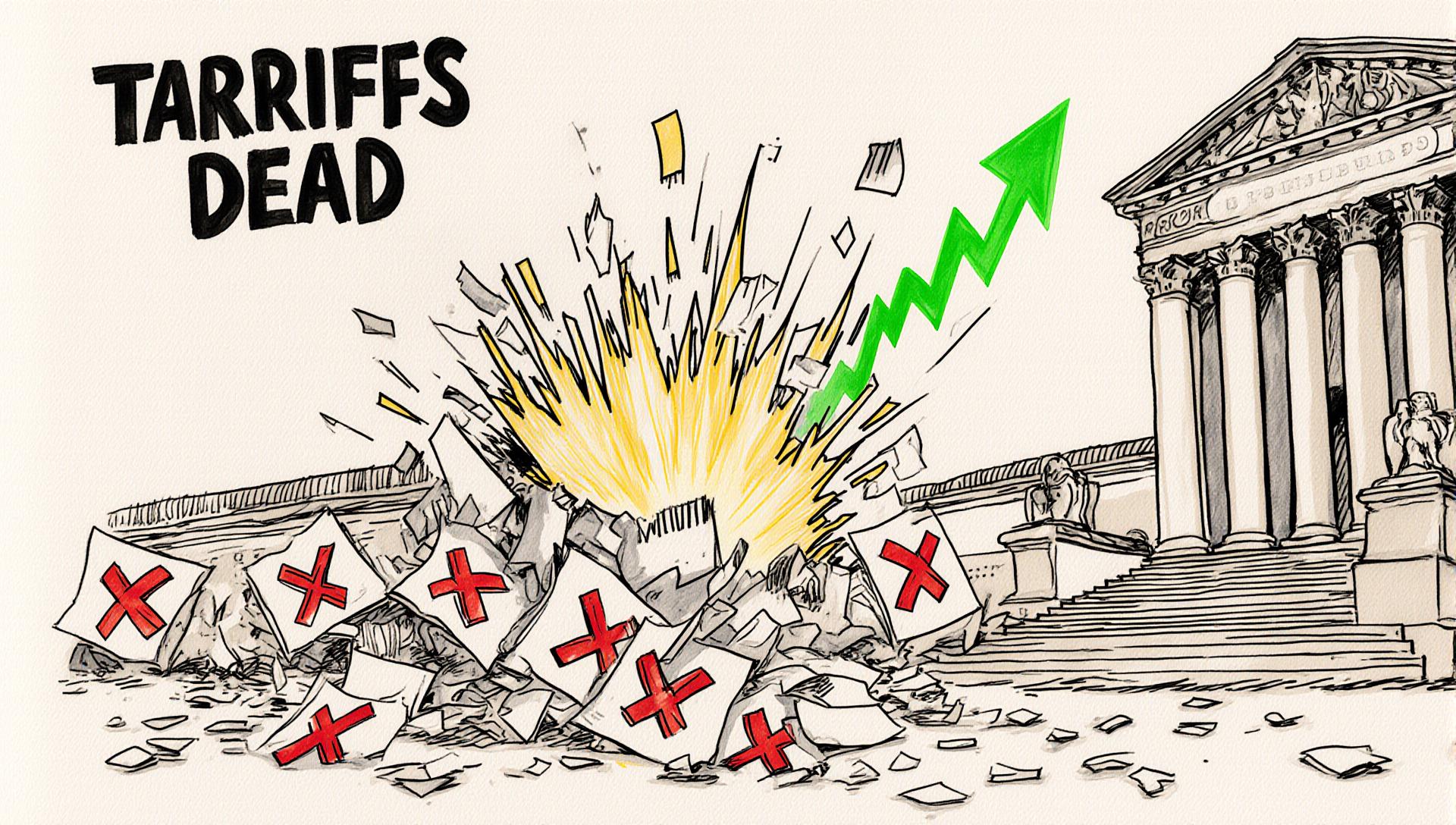
Markets had been watching a legal challenge that could have threatened the US–UK trade agreement from May 2025. The broader Supreme Court ruling in the US effectively reinforced the stability of that framework, reducing a low-probability but high-damage risk for British corporates.
On rates, the tone also turned more supportive. MPC member Alan Taylor signaled the possibility of three rate cuts in 2026 if inflation trends toward 2 percent. Combined with a defensive-heavy index composition, this is exactly the kind of setup that looks attractive when the NASDAQ is flashing red.
Japan: Policy Support, Weak Yen, and Goldilocks Inflation
Japan remains one of the strongest equity stories in early 2026. The Nikkei 225 and TOPIX pushed to record highs, with February gains above 3.4 percent.
Two forces are driving this: policy expectations and currency dynamics.
Prime Minister Takaichi’s stance has effectively created a “policy put” — investors believe the government will remain supportive of asset markets. At the same time, the yen weakened toward 156 per dollar. A weak yen is fuel for exporters, improving earnings translation for companies like Toyota and Sony.
Inflation is also landing in a “Goldilocks” zone. Tokyo Core CPI came in at 1.8 percent, beating forecasts but still far from runaway. That’s the sweet spot: enough inflation to keep deflation fears away, not enough to force aggressive tightening.
China: More Activity, Less Spending, and No Bazooka
China’s Lunar New Year activity looked healthy on the surface: tourism spending reached 803.5 billion yuan. But the crucial detail is that spending per trip fell.
This is the most important signal: people are moving, but they are trading down. More bodies on trains, less money spent at the destination. That’s not a consumption boom — it’s a budget version of recovery.
Beijing continues to use targeted tools rather than broad stimulus.
Shanghai relaxed home-buying rules for non-residents to stabilize property. The PBOC cut the FX forward risk reserve to zero — essentially making it cheaper to hedge and manage currency exposure, and helping prevent the yuan from strengthening too quickly, protecting export competitiveness.
The implication is clear: the government is committed to incrementalism. If investors are waiting for a massive stimulus bazooka, they may be waiting a long time.
The Week Ahead: March 2–6
Next week is dense and potentially destabilizing because it forces markets to reconcile inflation risk, recession fear, and central bank expectations.
In the US, Monday brings ISM Manufacturing — but the prices-paid component will matter most given the hot PPI backdrop. Wednesday delivers ADP employment and ISM Non-Manufacturing. That services ISM is the sleeper catalyst: if prices are hot again, the “sticky services inflation” narrative intensifies.
Europe faces a key test Tuesday with Eurozone flash CPI. A hot inflation surprise would complicate the Europe outperformance trade by reviving rate-pressure risk.
China’s PMI prints arrive Wednesday (NBS and Caixin). These are the first clean read post-holiday. Weakness would pressure commodities like copper and oil.
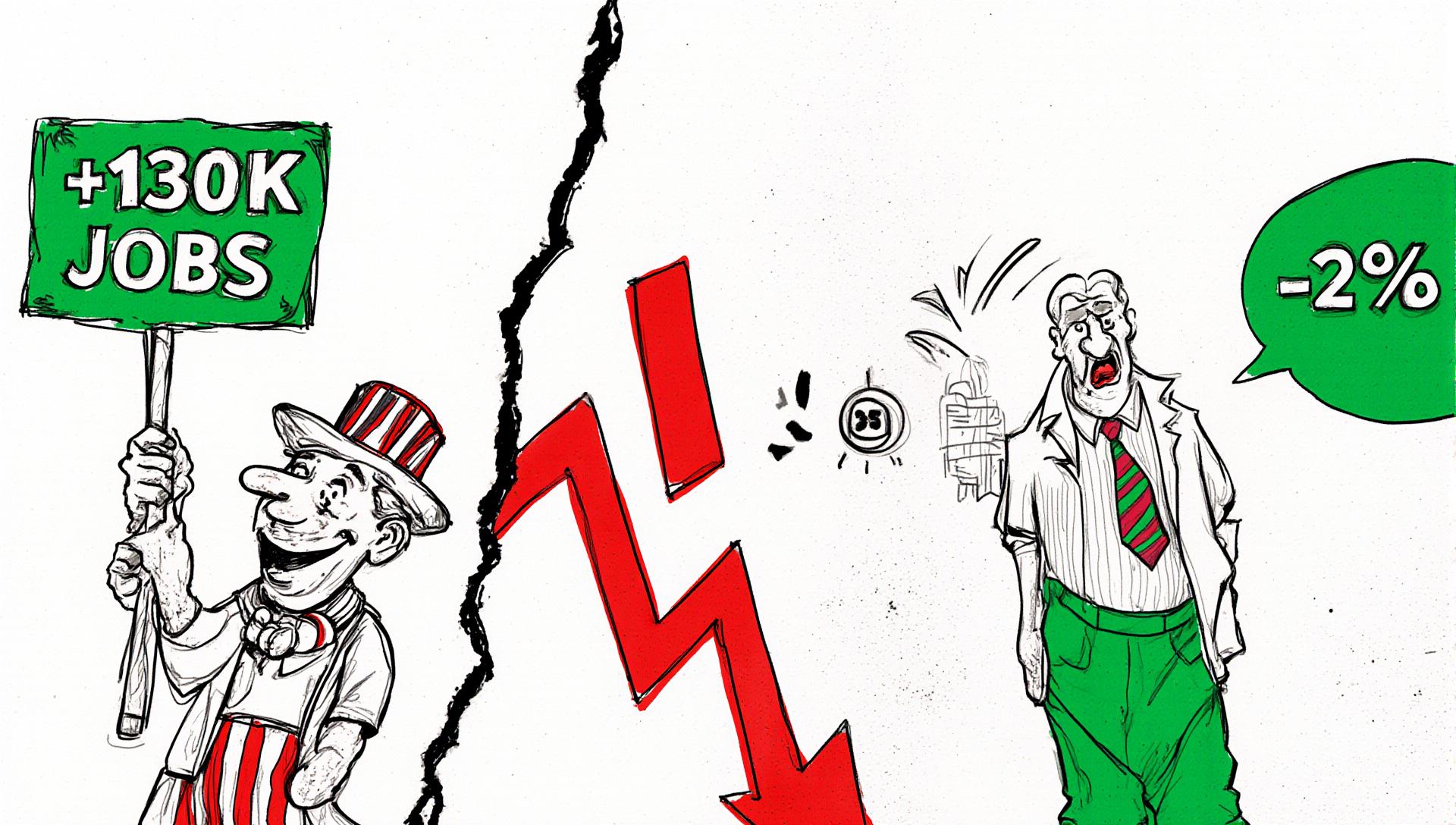
Friday is the main event: non-farm payrolls and unemployment. The setup is unusually binary. Strong data pushes yields higher and pressures equities. Weak data confirms recession fears and pressures equities. Threading the needle will be difficult.
Top Five Risks to Watch
US labor market repricing
Friday’s jobs data can destabilize both bonds and stocks. Markets are fragile and downside reactions may be faster than upside.
Sticky services inflation
Wednesday’s ISM services prices component is critical. Another upside surprise could price out cuts in 2026 and force equity multiples lower.
China growth momentum
Wednesday PMI data will show whether incremental policy support is sufficient. If China falters, commodities and Europe take collateral damage.
European inflation divergence
A hotter-than-expected flash CPI complicates the ECB path and can reverse the Europe rotation trade quickly.
Bond market volatility snapback
The move in yields from 4.26 to 3.96 is violent. If inflation remains sticky, a rapid snapback higher could hit credit spreads, gold positioning, and equity valuations simultaneously.
Final Insight: Blip or Break?
The rotation out of Big Tech and into defensives and cyclicals is the healthiest part of this market. It’s not collapse — it’s broadening.
But the bigger question is whether this is temporary positioning or a structural shift.
We have seen false starts before: investors hide in utilities for a month, get bored, and rotate back into Nvidia. But if inflation remains sticky and the cost of capital stays high, the “growth at any price” era does not come back. Valuation discipline becomes permanent again.
So ask yourself this weekend: is this another pause — or is 2026 the year the tech dominance narrative finally breaks?
Stay sharp. Watch bond yields closely. And don’t take your eyes off services inflation next week.
FAQs
Why are bond yields falling if inflation is hot?
Because fixed income is pricing recession and policy mistake risk — not dismissing inflation.
Why is services inflation more dangerous than goods inflation?
Services prices are wage-linked and rarely fall once they rise, making inflation persistence more likely.
Why are tech stocks struggling even with strong earnings?
Because expectations and valuations are already extreme. Great results aren’t “surprises” anymore.
What does falling spending per trip in China signal?
Consumers are active but cautious — spending is shifting toward budget behavior, not confidence-driven expansion.
What matters most next week?
US services inflation signals (ISM), China PMIs, and Friday’s jobs report — plus any yield snapback.
Hashtags
#WeeklyMarketUpdate #GlobalMarkets #Inflation #BondYields #ServicesInflation #NASDAQ #RotationTrade #EuropeStocks #JapanEquities #ChinaEconomy #NonFarmPayrolls #MarketVolatility
Subscribe to our Newsletter
Discover more