We are back—and 2026 did not ease in quietly. It exploded out of the gate. In just a few sessions, the narrative that closed last year was abruptly reset. Investors collectively chose to shrug off soft US labor data, geopolitical noise, and clear signs of economic fragility, replacing caution with an aggressive bet on central bank support.
This was not a rally led by familiar mega-cap tech. Instead, small-cap US stocks and European equities took the lead, signaling a sharp rotation toward assets most sensitive to easing monetary policy. At the same time, Asia remains locked in a very different struggle—one defined by deflation, not inflation.
This asymmetry is the defining lens for markets right now. In this Weekly Market Update, we break down what happened region by region, why it matters for portfolios, and the five critical risks that will shape the week ahead.
United States: Risk Appetite Explodes Despite Labor Weakness
US equity indices delivered strong headline gains. The S&P 500 rose 1.76%, the Nasdaq gained 1.85%, and the Dow Jones advanced more than 3%. But the real story sits beneath the surface.
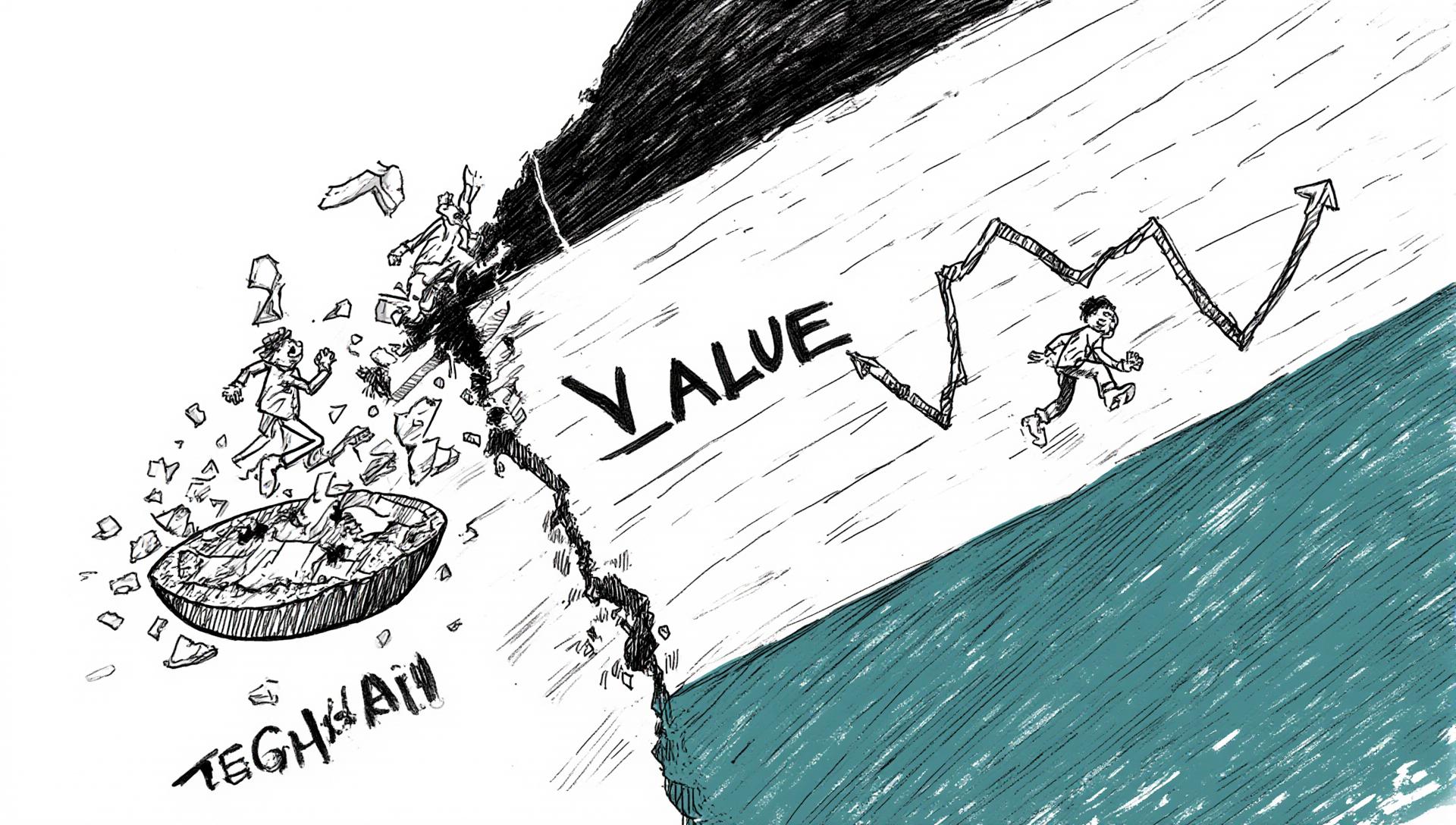
The Russell 2000 small-cap index surged an extraordinary 5.73% in just five days, extending a rally that has lifted small caps nearly 14% over the past six weeks. Even more telling, the equal-weighted S&P 500 outperformed the cap-weighted version, confirming that this was a broad-based risk-on move rather than a tech-driven lift.
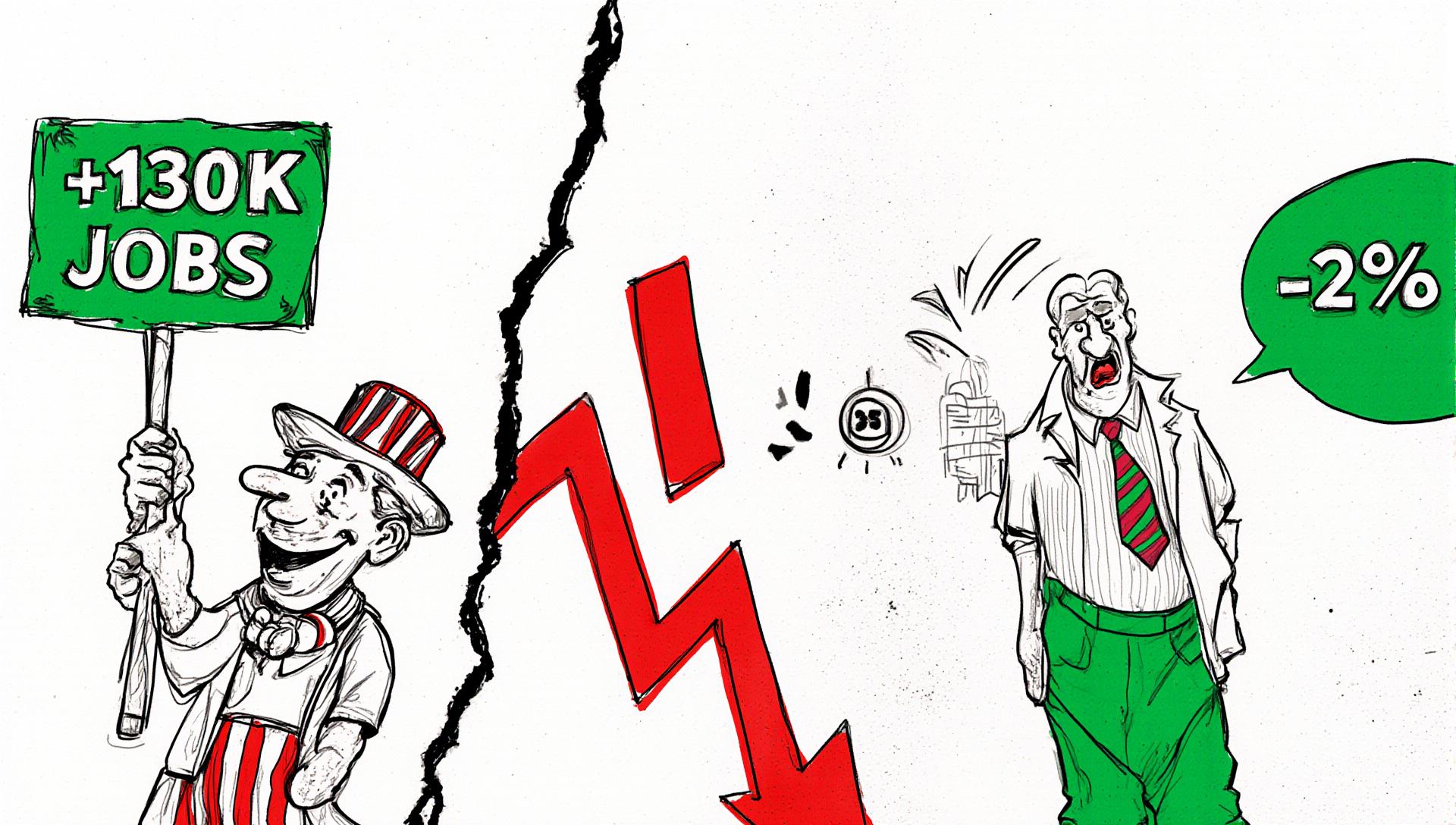
What makes this rally remarkable—and dangerous—is what it ignored. December non-farm payrolls came in at just 50,000, far below expectations. Even more concerning, job revisions erased a combined 76,000 positions from October and November. ADP and JOLTS data reinforced the message: the labor market is cooling, and fast.
The economy is now visibly split. Manufacturing remains in contraction, with the ISM Manufacturing PMI at 47.9, marking its tenth consecutive month below 50. Services, however, surged to a 2025 high, driven by strong new orders. Services are carrying the economy alone.
Policy-driven volatility added fuel. Aerospace and defense stocks whipsawed on shifting government guidance, while homebuilders reacted sharply to a surprise $200 billion mortgage bond purchase plan. This was not macro-driven price discovery—it was intervention-driven trading.
Bond markets remained relatively calm. Long-end Treasury yields dipped slightly, reinforcing lower inflation expectations. Corporate bonds outperformed, while commodities continued to surge. Gold broke above $4,520 per ounce, and silver blasted through $80, reflecting rising demand for hard-asset hedges.
The key takeaway is unsettling: markets are rallying because the data is weak. Investors are cheering labor softness as fuel for a dovish Federal Reserve. This works only as long as weakness stays controlled. If job losses accelerate, optimism can flip into recession panic overnight.
Europe: Inflation Victory, Policy Trap
Europe delivered one of its strongest weeks in months. The STOXX Europe 600 rose more than 2%, while Germany’s DAX climbed nearly 3%.
The data supported the move. German industrial production increased 0.8% in November, and factory orders surged 5.6%, signaling a rebuilding demand pipeline. Eurozone retail sales also improved.
The headline inflation print was the centerpiece. Eurozone CPI fell to exactly 2.0%, matching the ECB’s target. On the surface, it looked like mission accomplished.
But beneath the headline, the problem persists. Core inflation eased only marginally to 2.3%, while services inflation remained stubbornly high at 3.4%. Goods inflation has been beaten, but wage-driven services inflation has not.
This leaves the ECB trapped. Cutting rates risks reigniting wage pressures. Waiting too long risks choking off Germany’s fragile recovery. Some strategists now argue the ECB’s easing cycle may be effectively over before it truly begins.
The UK stands apart—and not in a good way. Mortgage approvals slipped again, and Halifax reported a surprise 0.6% drop in house prices in December. The housing market remains a significant drag, highlighting the divergence between global equity strength and domestic consumer stress.
Japan: Growth Surges, Wages Collapse
Japan delivered one of the most contradictory signals of the week. The Nikkei 225 jumped more than 3%, supported by a sharply weaker yen at 157.6 per dollar. Exporters benefited immediately.
Domestic data, however, tells a far more complex story. Household spending surged 2.9% year over year in November, smashing forecasts and driven largely by auto sales. Yet real wages fell 2.8% over the same period.
This disconnect creates a serious policy dilemma. Governor Ueda continues to signal rate hikes, but falling real wages raise questions about the sustainability of inflation. Without wage growth, higher rates risk choking off demand just as consumers show tentative signs of life.
Japan’s story in 2026 may hinge on whether weak currency support for exporters can coexist with declining household purchasing power.
China: AI Mania Masks Deep Deflation
Chinese equity markets surged, with the Shanghai Composite up nearly 4%, driven by an intense AI-fueled speculative frenzy. Trading turnover spiked to approximately 2.8 trillion yuan, and margin debt climbed toward record levels.
This enthusiasm is completely disconnected from the macro reality. Producer prices fell another 1.9%, marking the 39th consecutive monthly decline. Full-year inflation for China printed at exactly 0.0%, the weakest outcome since 2009.
This is not cyclical weakness—it is structural deflation. The PBOC faces an impossible balancing act: easing enough to revive the real economy without pouring gasoline on an already overheated AI bubble.
The Week Ahead: January 12–16
This is a defining data week for the global soft-landing narrative.
In the United States, Tuesday’s CPI report is the primary risk. Any inflation surprise would immediately dismantle dovish Fed expectations. Wednesday’s retail sales will test whether labor cooling is spilling into consumption.
Internationally, China’s trade data on Wednesday will signal whether global demand is stabilizing. Thursday brings Europe into focus, with UK monthly GDP and Germany’s full-year 2025 growth print shaping the Eurozone outlook.
Top Five Risks to Watch
US CPI inflation surprise
A hotter-than-expected print would vaporize rate-cut expectations and threaten the rally.US retail sales weakness
A sharp miss would confirm that labor cooling is translating into demand destruction.China trade deterioration
Weak exports and imports would deepen deflation fears and pressure global growth.UK growth contraction
A negative GDP print would raise recession alarms across Europe.Germany’s growth verdict
Full-year GDP data will define whether Europe’s engine can withstand a global slowdown.
Final Insight: A Dangerous Celebration of Weakness
Markets opened 2026 with unrestrained enthusiasm—small-cap euphoria in the US, AI speculation in China, and inflation victory laps in Europe. But beneath the surface, structural risks are intensifying.
The US labor market is cooling rapidly. China remains locked in deflation. Europe’s policy flexibility is far more limited than headlines suggest. This week’s data will determine whether optimism is justified—or whether markets have raced far ahead of fundamentals.
The deeper question for 2026 is global capital flow asymmetry. The West is celebrating disinflation while Asia battles deflation. The Fed and the PBOC face fundamentally opposite mandates.
One tension deserves particular attention: Japan’s persistently weak yen alongside falling real wages. Is currency weakness the only thing keeping exporters afloat—or does it ultimately undermine the consumer to a breaking point?
That question may define global markets far more than any single data print this year.
Frequently Asked Questions
Why are small-cap stocks leading the rally?
They benefit most from falling rates and easing financial conditions, making them the first target when rate cuts are anticipated.
Why is weak data pushing markets higher?
Investors interpret economic softness as justification for central bank easing, fueling risk appetite—until weakness becomes recessionary.
Why is China’s AI rally risky?
It is driven by speculation rather than earnings while the real economy remains in deflation.
Why does Japan’s wage decline matter?
Sustainable inflation requires wage growth. Falling real wages threaten consumption and policy credibility.
What is the biggest near-term risk?
A US inflation surprise that forces markets to abandon the dovish Fed narrative.
Hashtags
#WeeklyMarketUpdate #GlobalMarkets #FederalReserve #ECB #BankOfJapan #ChinaEconomy #Inflation #InterestRates #MarketVolatility #InvestmentStrategy #MacroOutlook
Subscribe to our Newsletter
Discover more