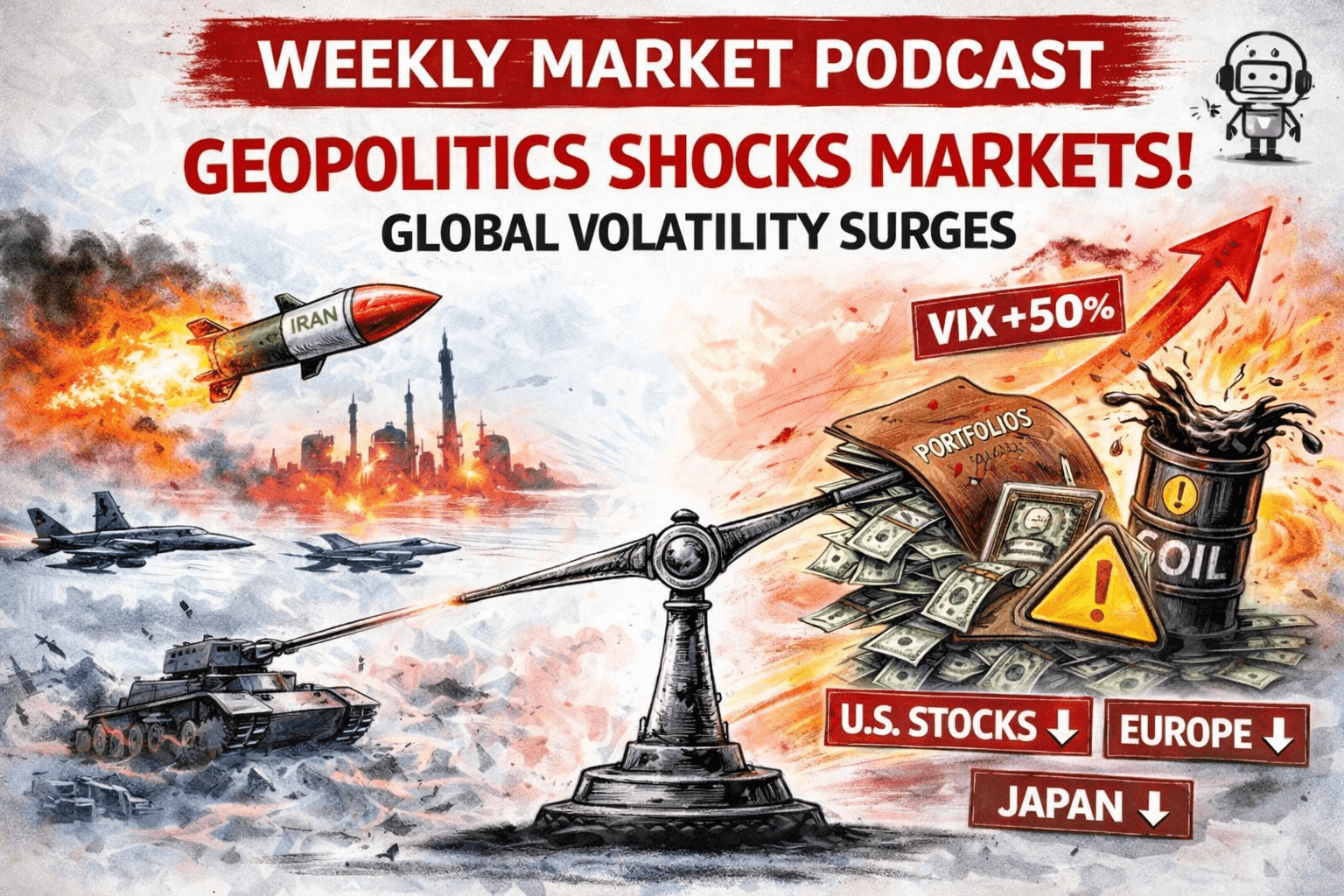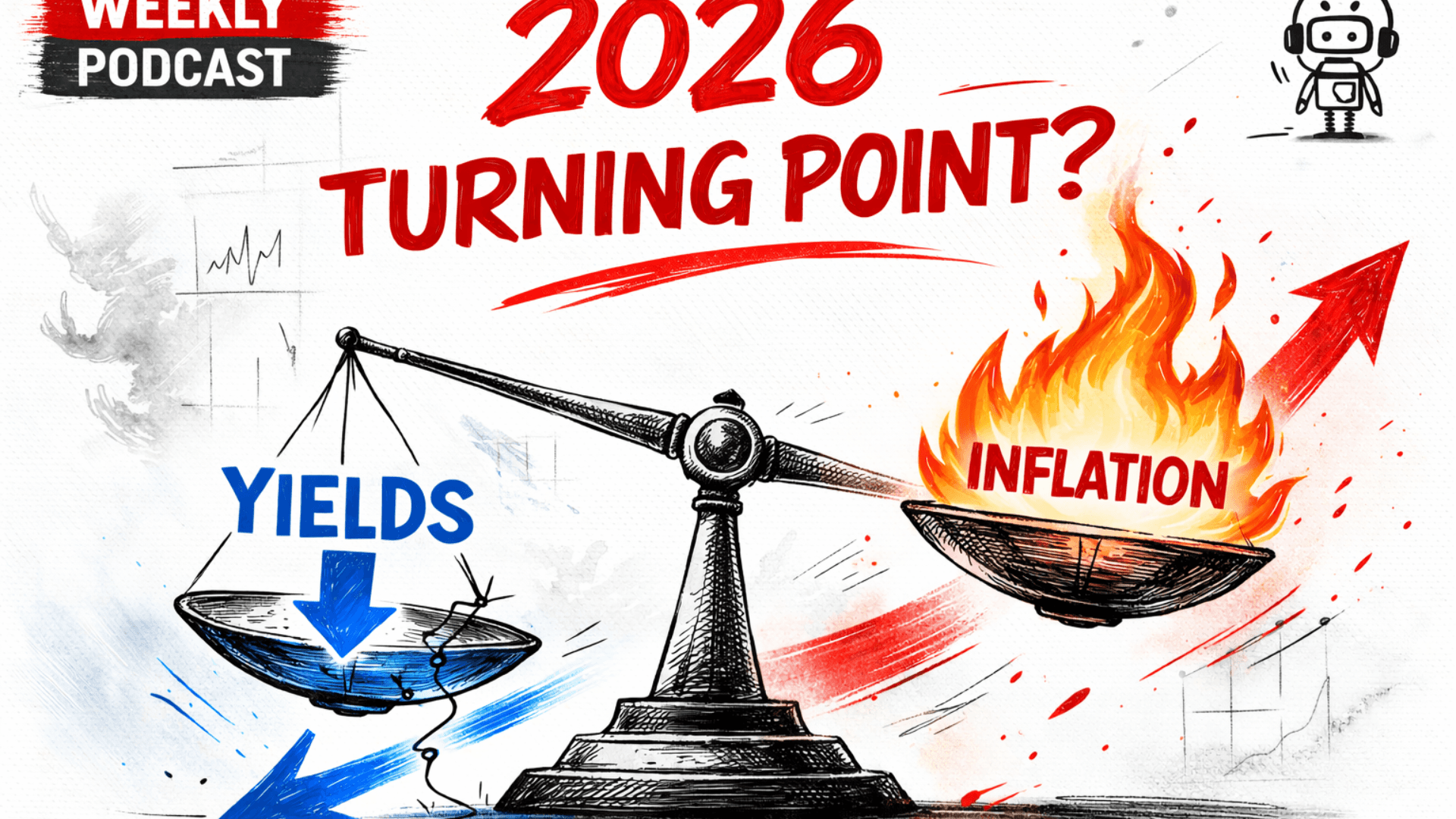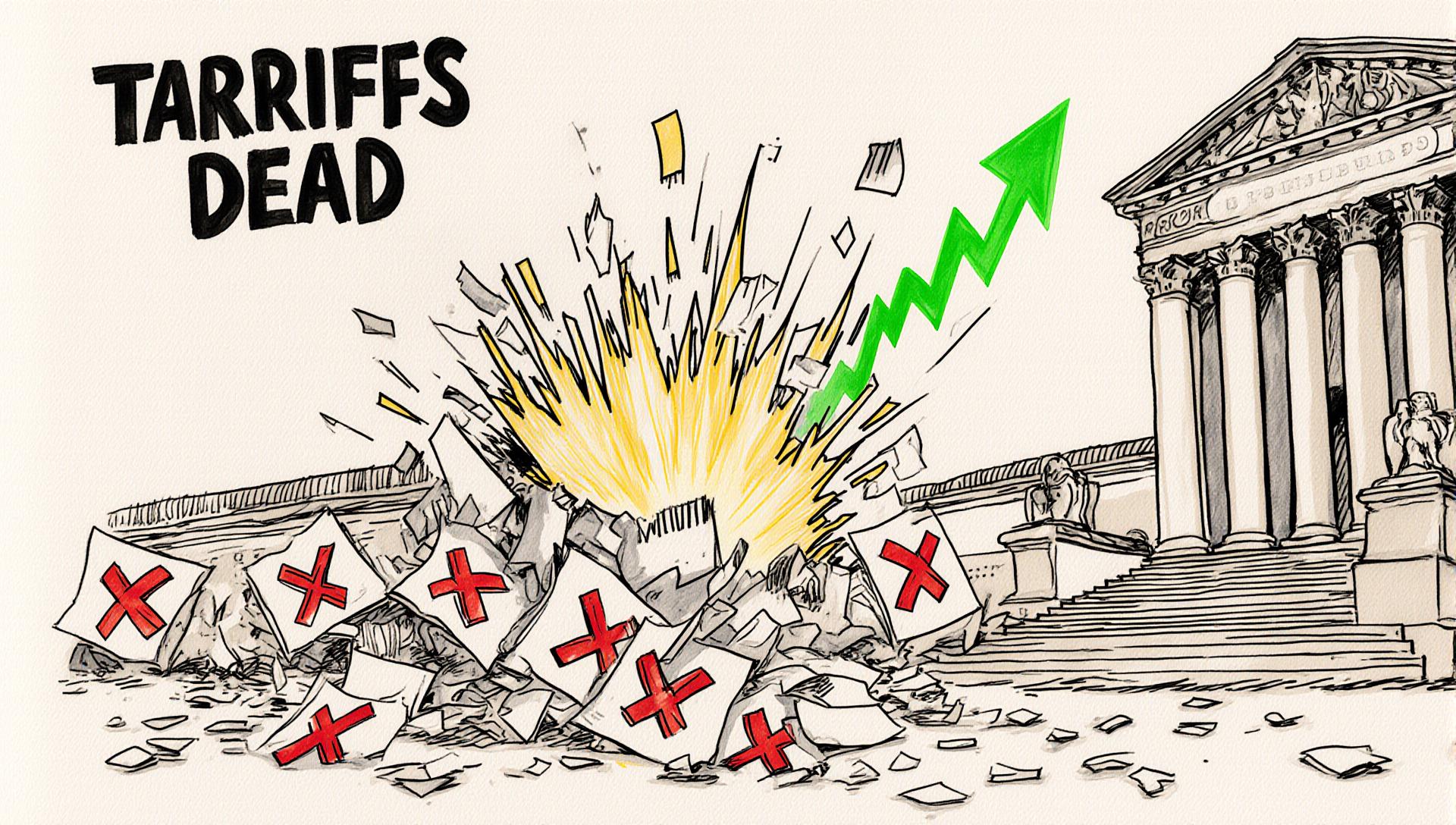
If January was supposed to be a gentle glide into 2026, markets had other plans. What unfolded this week was anything but calm. Instead, global investors were forced to navigate a disjointed mix of geopolitical theatrics, red-hot US growth, structural fractures in China, and a sudden fiscal shock out of Japan that rattled bond markets worldwide.
From tariff threats linked to a diplomatic standoff over Greenland, to gold prices flirting with the $5,000 mark, to Japanese government bond yields surging on fears of fiscal irresponsibility, this was a week where surface-level absurdity masked very real economic stress beneath.
The core theme is divergence. The US economy continues to run surprisingly hot, Europe is increasingly vulnerable to trade shocks and policy paralysis, Japan is learning how unforgiving debt markets can be, and China is confronting the end of its decades-old investment-led growth model.
Below is a structured breakdown of what mattered, what didn’t, and what could reshape markets in the week ahead.
United States: Strong Growth, Weak Trust
At first glance, US markets looked resilient. After a sharp selloff triggered by tariff headlines and diplomatic noise early in the week, equities quickly recovered. But the real story wasn’t politics — it was economic strength colliding with inflation reality.
Third-quarter US GDP was revised sharply higher to 4.4 percent, a remarkable pace given restrictive interest rates. Crucially, this growth was driven by exports and business investment rather than consumer debt. Jobless claims remain near historic lows around 200,000, reinforcing the picture of a labor market that is cooling only gradually.
This strength, however, comes at a cost. Core PCE inflation held at 2.8 percent, well above the Federal Reserve’s target. Consumer sentiment improved marginally to 56.4, but remains far below last year’s levels, reflecting the erosion of purchasing power despite employment stability.
The contradiction became even clearer in commodity markets. Gold surged to nearly $5,000 per ounce, while silver pushed above $100. These are not signals of confidence — they are hedges. Investors are insuring against sticky inflation, geopolitical unpredictability, and the risk that central banks may be unable to stabilize prices without breaking growth.
The message from markets is simple: US growth is strong, but trust in long-term stability is weak.
Europe and the United Kingdom: Trade Exposure and Policy Traps
European equities struggled as global trade tensions resurfaced. Germany’s DAX fell more than 1.5 percent, reflecting the region’s vulnerability to tariff threats and stalled trade agreements.
Economic data was mixed. The Eurozone PMI remained in expansion territory at 51.5, and business optimism reached a 20-month high. Yet this optimism remains fragile, heavily dependent on global trade flows that are increasingly politicized.
The UK stands out as the most precarious case. Composite PMI jumped to a 21-month high, yet unemployment reached a five-year high at 5.1 percent. At the same time, CPI rose to 3.4 percent, driven by specific components such as airfare and tobacco.
This combination is dangerously close to stagflation. The Bank of England is effectively cornered: cutting rates risks reigniting inflation, while tightening risks accelerating job losses. Policy optionality is disappearing.
Japan: Fiscal Shock and Bond Vigilantes
Japan delivered the biggest systemic shock of the week. Following the announcement of an early election, the Prime Minister pledged a two-year zero tax rate on food — a populist move with profound fiscal consequences.
Bond markets reacted immediately. The 10-year Japanese government bond yield surged to 2.26 percent, the highest level in nearly three decades. Investors demanded higher compensation for what they perceived as reckless borrowing in an already highly indebted economy.
The Bank of Japan held rates at 0.75 percent but issued hawkish commentary, triggering sharp volatility in the yen. This episode was a textbook example of bond vigilantes in action: investors enforcing discipline when governments do not.
Japan’s experience highlights a critical lesson for 2026 — exiting years of ultra-loose policy is far more dangerous when fiscal credibility is questioned.
China: Hitting Targets, Losing Momentum
On paper, China achieved its 5 percent growth target for 2025. In reality, the momentum is deteriorating fast.
Fourth-quarter growth slowed to 4.5 percent, the weakest in two years. More importantly, fixed asset investment contracted by 3.8 percent for the year — the first annual decline in nearly 30 years. This marks a structural break from China’s investment-driven growth model.
The hoped-for handoff to the consumer has not materialized. December retail sales rose just 0.9 percent, signaling deep household caution amid falling property values. Industrial production held up thanks to exports, but reliance on external demand is increasingly risky in a world leaning toward protectionism.
China may have met its target, but the runway for 2026 looks alarmingly short without decisive stimulus.
The Week Ahead: January 26–30
Next week is pivotal, with multiple catalysts that could reset global positioning.
In the US, Wednesday brings the Federal Reserve decision and Chair Powell’s press conference. Markets expect a pause, but the tone will matter more than the decision itself. Durable goods data arrives Monday, while producer price inflation on Friday will test whether inflationary pressure remains embedded.
In Europe, Friday delivers Q4 GDP figures across France, Germany, Italy, Spain, and the Eurozone. These releases will confirm whether recent optimism reflects real growth or masks recession.
Japan’s consumer confidence data will reveal whether households are reacting to fiscal turmoil as strongly as bond markets. China remains quiet on the data front — a silence that often precedes policy surprises.
Top Five Risks to Watch
A hawkish Fed pause
If Powell signals that rate cuts are off the table for longer, equity risk appetite could evaporate quickly.Sticky US producer inflation
An upside surprise in PPI would confirm inflation remains in the pipeline, forcing bond markets to reprice.Eurozone GDP contraction
Broad-based weakness would shatter Europe’s soft-landing narrative and pressure the euro.Japanese bond market contagion
Further spikes in JGB yields could pull global capital back to Japan, tightening financial conditions worldwide.China’s policy inaction
Failure to support consumers and property markets risks a sharp Q1 slowdown with global commodity implications.
Final Insight: The Trust Deficit
This week began with talk of Greenland and ended with bond vigilantes and record gold prices. The connecting thread is distrust.
When investors rush into hard assets and punish governments for fiscal excess, they are sending a message: confidence in political and policy stewardship is eroding. Growth may persist — especially in the US — but the margin for error is shrinking rapidly.
Markets are no longer priced for resilience alone. They are pricing for credibility. And that, more than any GDP print, will define 2026.
FAQs
Why is gold rising despite strong US growth?
Because investors are hedging against inflation persistence, geopolitical risk, and policy credibility rather than betting on recession.
Why did Japanese bonds react so violently?
Markets fear fiscal discipline is weakening. Higher borrowing without funding clarity forces yields higher.
Is China’s growth target misleading?
Yes. The headline was met, but the underlying growth model is breaking as investment contracts and consumption stagnates.
Why is the Fed constrained despite strong data?
High growth combined with sticky inflation limits the Fed’s ability to ease without reigniting price pressures.
What matters most next week?
The Fed’s tone, not the decision itself, and whether Europe confirms or denies recession fears.
Hashtags
#WeeklyMarketUpdate #GlobalMarkets #FederalReserve #Inflation #GoldPrices #JapanBonds #ChinaEconomy #Geopolitics #InterestRates #MacroOutlook #InvestmentStrategy #MarketVolatility
Subscribe to our Newsletter
Discover more